
Dirty Aligners & Retainers: Bad Breath & Gum Disease Risks
Dirty Aligners & Retainers: The Hidden Hygiene Risks You Might Not Know About
Clear aligners and retainers have transformed the way we straighten and maintain our smiles. They’re discreet, removable and convenient - which is exactly why millions of people now wear them every day.
But there’s something many people don’t realise:
If your aligners or retainers aren’t cleaned properly, they can quickly become a breeding ground for bacteria, and that can affect both your oral health and your confidence.
Let’s take a closer look at why aligner hygiene matters more than you might think.
Why Do Aligners Get Dirty So Quickly?
Aligners and retainers sit snugly over your teeth and gums for 20–22 hours a day. That means they’re constantly exposed to:
Saliva
Food particles
Plaque bacteria
Natural oral microorganisms
Because they fit so closely, they create a lovely, warm, enclosed environment, and this is the perfect place for bacteria to thrive.
Simply rinsing your aligners under the tap might make them look clean, but a rinse won’t remove this invisible biofilm that builds up on the surface and in all the nooks and crannies of your aligner or retainer.
Over time, this build-up can lead to the problem associated with dirty aligners and bad breath.
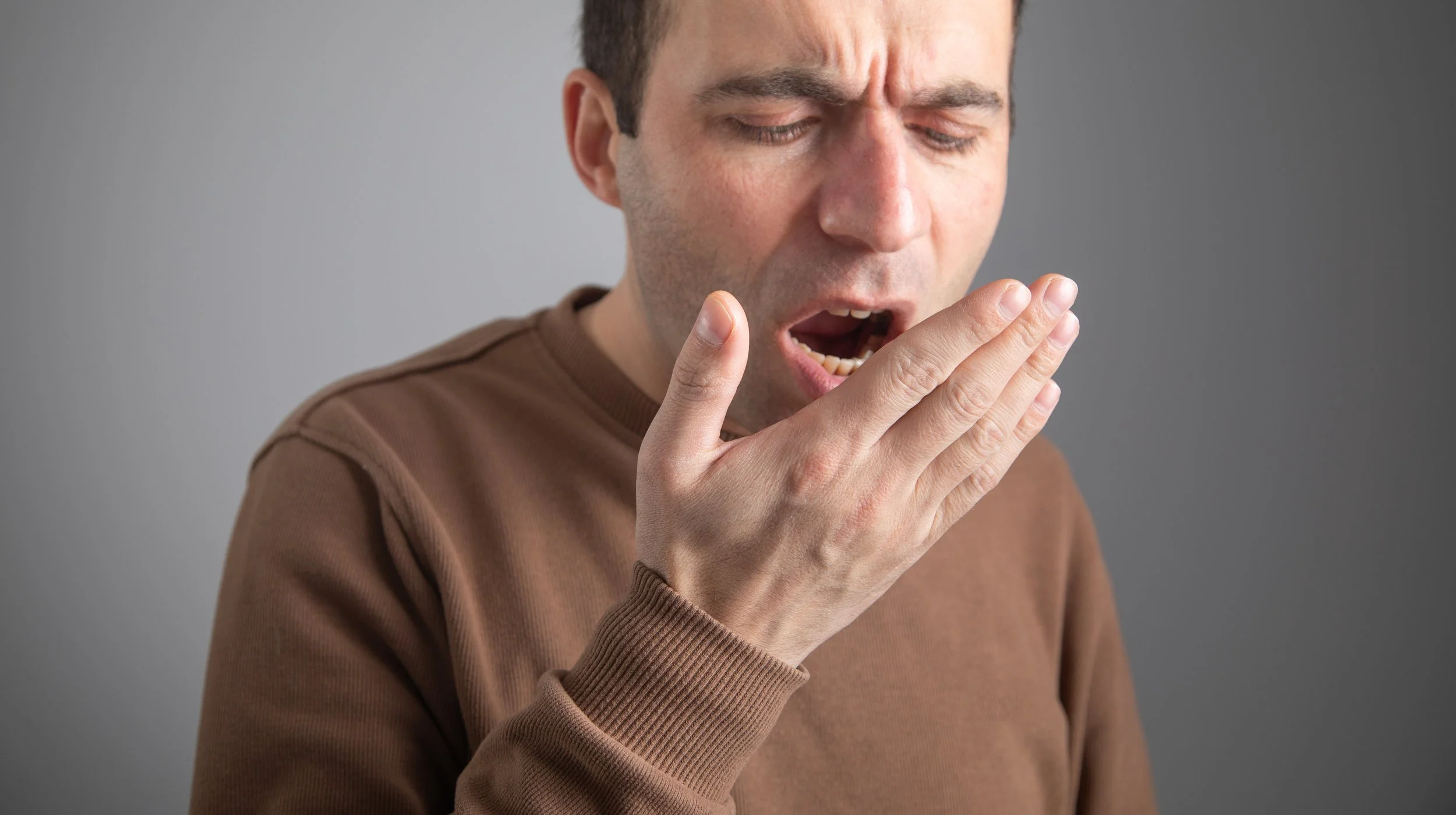
The Link Between Dirty Aligners and Bad Breath
One of the first signs that your aligners aren’t as clean as they should be? A funny taste in your mouth and bad breath!
Bacteria naturally produce waste products as they break down food particles and sugars. These by-products release unpleasant odours, which can linger inside your aligners and transfer to your mouth and breath.
Because aligners cover your teeth for most of the day, any trapped bacteria stay close to the tooth surface - meaning the odours they generate don’t get the chance to dissipate.
If you’ve ever noticed a funny taste or a smell when removing your aligners - that’s a clear sign that bacteria are building up.
The good news? Proper cleaning with products specifically designed for aligners can dramatically reduce this.
Can Dirty Aligners Affect Your Gums?
Yes, and this is where things become more serious.
When plaque and bacteria accumulate on dirty aligners, they sit directly against your gums for extended periods. This can cause:
Redness
Swelling
Tenderness
Bleeding when brushing
These are early signs of gingivitis, a form of gum inflammation.
Research has shown that biofilm build-up on orthodontic appliances can negatively affect periodontal (gum) health if not properly managed. Left untreated, ongoing gum inflammation will be uncomfortable and can potentially progress to more serious gum disease.
Your aligners don’t just need to look clear - they need to be hygienically clean.
What About Tooth Decay?
Dirty Aligners can also increase the risk of tooth decay if your oral hygiene isn’t maintained.
Here’s why:
When sugars from food or drink remain on the teeth and aligners aren’t cleaned before being reinserted, bacteria metabolise those sugars and produce acid. That acid can weaken tooth enamel and increase the risk of cavities and decay.
Because aligners sit tightly against the teeth, they can also hold those acids in contact you’re your teeth for longer than usual.
This doesn’t mean aligners cause decay - but it does mean good cleaning habits are essential.
Why Rinsing With Water Isn’t Enough
Many people assume that rinsing their aligners under water is sufficient.
However, studies have found significantly higher bacterial levels on aligners that are only rinsed with water compared to those that are cleaned properly. Biofilm is sticky, so it can cling to the surfaces of your aligners or retainer - it needs mechanical and/or chemical cleaning to be effectively removed.
We don’t clean our teeth with just water - your dirty aligners deserve the same care.
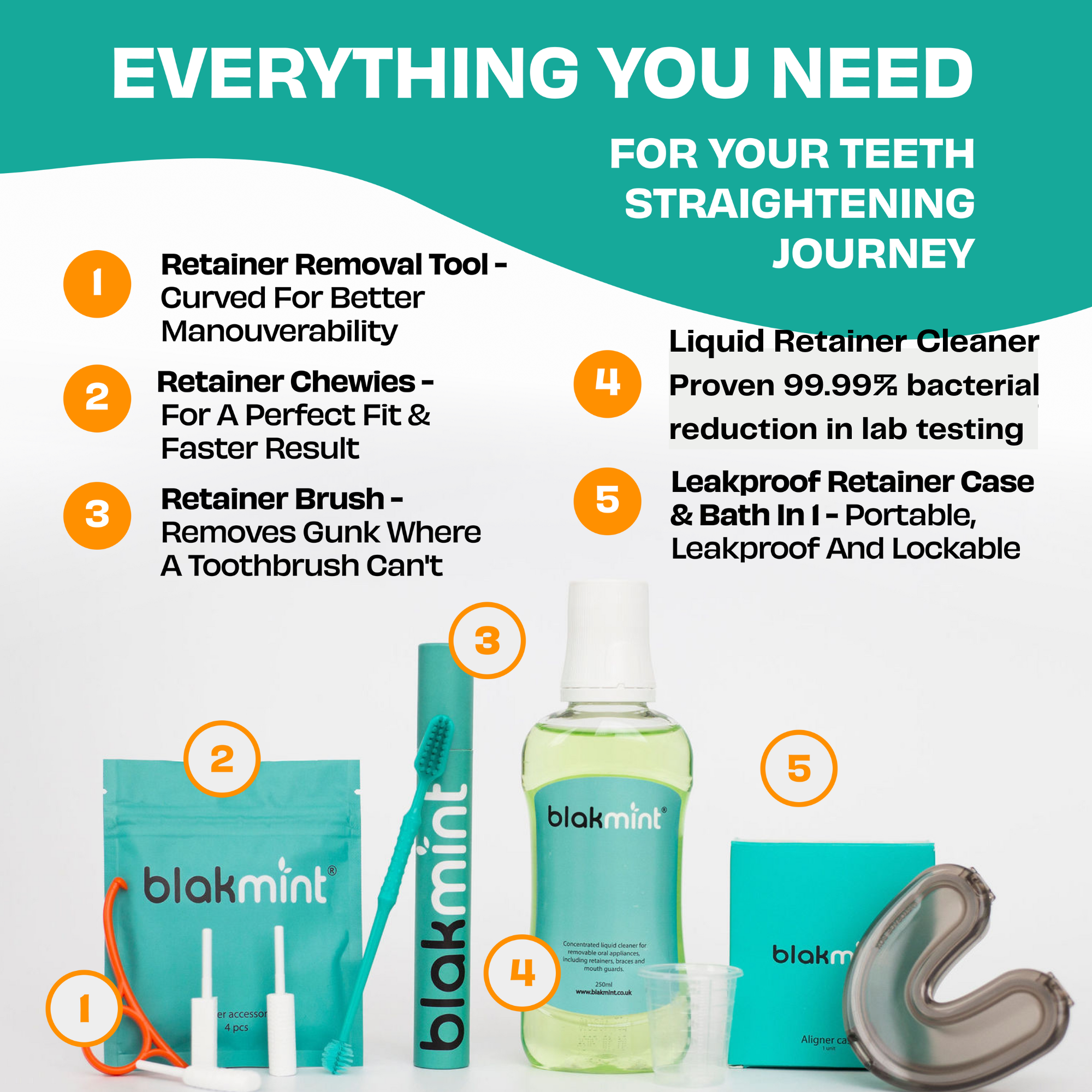
The full Blakmint range for your journey
Simple Steps to Keep Aligners & Retainers Hygienic
The good news is that keeping your aligners fresh and hygienic doesn’t have to be complicated.
Here are some simple habits to adopt:
1. Clean Them Daily
Use a cleaning method specifically designed for aligners or retainers to remove bacteria and biofilm. We recommend our dual headed brush and liquid aligner cleaner.
2. Brush Your Teeth Before Reinserting
Always brush and floss your teeth before putting your aligners back in after eating.
3. Avoid Sugary Drinks While Wearing
Remove aligners before consuming anything other than plain water.
4. Store Them Properly
When not in use, keep them in a clean case.
5. Don’t Skip Retainer Hygiene
Even after orthodontic treatment ends, your retainers will still require the same level of care.
Protecting Your Smile (and Your Confidence)
Aligners are an investment in your smile, and a financial investment too. Taking a few extra minutes each day to clean them properly will help protect:
Your teeth
Your gums
Your breath
Your overall confidence
If you’ve noticed a taste, a smell, or staining or a cloudy appearance of your aligners or retainer - it may be time to rethink your cleaning routine.
Clear aligners are designed to be invisible, so your confidence won’t suffer. With the right aligner cleaning habits - there’s no reason your oral health should suffer while wearing them either.
